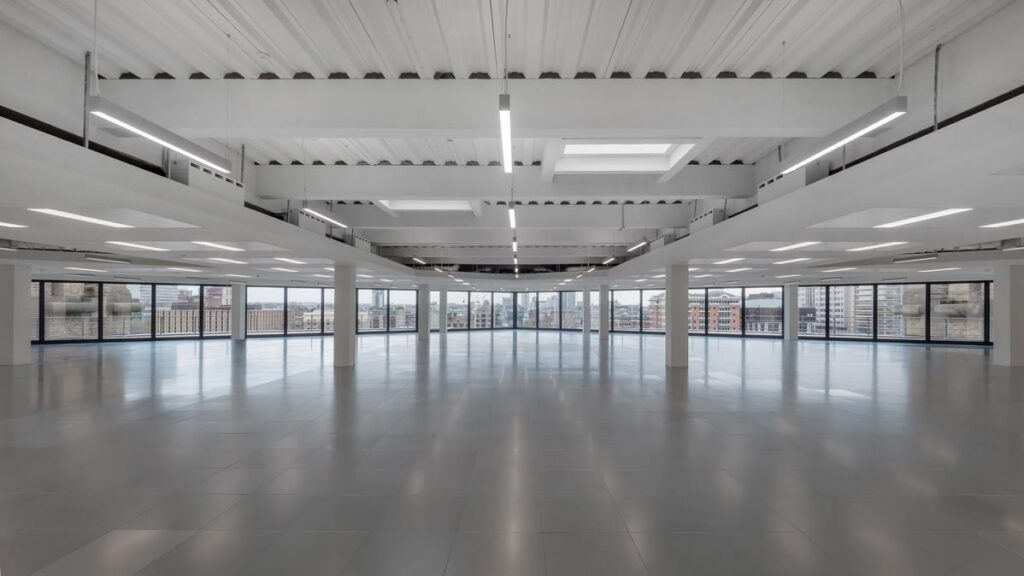
Void periods on commercial property are one of the most costly problems a landlord faces — and many of them go on far longer than they need to.
Every landlord knows that feeling. The previous tenant has moved out, you’ve got a new one lined up, terms are agreed — and then you wait. And wait. And wait for the legal paperwork to catch up.
Void periods are one of the most frustrating and costly parts of owning commercial property. And the annoying thing is that many of them go on far longer than they need to.
Here’s a clear look at what commercial property void costs actually add up to, what causes them to drag on, and what you can do about it.
Void Periods on Commercial Property: What Do They Actually Cost?
Understanding your commercial property void costs is the first step to reducing them. Most landlords think of a void period in simple terms — no tenant means no rent. But the real cost of an empty commercial property goes quite a bit further than that.
Lost rent is the obvious one. If your property rents at £2,000 a month and sits empty for three months, that’s £6,000 gone. But that’s just the start.
Business rates don’t stop when a tenant leaves. After an initial exemption period — usually three to six months depending on the property type — you as the landlord become liable for business rates on the empty building. On a commercial property with a rateable value of £30,000, that could easily mean thousands of pounds a year coming out of your pocket for a property generating zero income. You can check current business rates guidance on the GOV.UK website.
Insurance on an empty commercial building typically costs more than on an occupied one — insurers view empty properties as higher risk for vandalism, fire and water damage. Expect your premiums to reflect that.
Maintenance and security on an empty building still needs to happen. Heating, checks, security measures — an empty building doesn’t look after itself and letting it deteriorate only makes it harder to let again.
Add all of that up and a three-month void on a modest commercial property could easily cost a landlord £10,000 to £15,000 or more when you factor in everything beyond the lost rent. Suddenly getting that next tenant in quickly feels very urgent indeed.
What Actually Causes Void Periods to Drag On?
A few common culprits tend to extend void periods unnecessarily.
Finding the right tenant takes time — that’s largely unavoidable. But most landlords find the marketing, viewings and negotiation process moves quicker than they expect. Both sides agree terms. Everyone shakes hands.
And then the legal process starts.
This is where void periods drag on unnecessarily. Two sets of solicitors exchange emails. Both sides raise queries and await responses. Solicitors send drafts, make amendments, and send them back again. A process that should take a week or two can easily stretch to six, eight, ten weeks — all while the property sits empty and costs keep mounting.
Most landlords and agents find this the most frustrating part of commercial property. Both sides agree the deal in their heads long before the paperwork catches up.
Tenant due diligence and financing can also slow things down, though landlords have little control over those. What you can control is how quickly you get the legal documentation done once both sides agree terms.
How to Reduce Void Periods on Commercial Property
Here are some practical steps to reduce void periods on your commercial property:
Price it right from the start. An overpriced empty property stays empty. A realistic asking rent gets interest faster and reduces the time between tenants.
Have your documentation ready. If a tenant agrees terms and you can get a draft lease in front of them within days rather than weeks, you remove one of the biggest sources of delay immediately.
Use a modern leasing platform. This is where the biggest gains are for most landlords. Instead of waiting weeks for solicitors to exchange drafts by email, platforms like Aqqord let both parties work through the lease online — drafting, negotiating and signing all in one place. What traditionally takes weeks can be completed in days. Speeding up the letting process at the legal stage alone can save landlords weeks of unnecessary void costs.
Keep communication open. Deals fall through during delays. The longer the gap between agreeing terms and signing the lease, the more time there is for a tenant to get cold feet, find another property, or have their circumstances change. Speed protects deals.
Consider flexible arrangements. If you’re struggling to find a long-term tenant, a short-term licence to occupy can generate income while you continue looking. An empty building costs money — even a short-term occupier is better than nothing. You can read more about the difference between a lease and a licence here.
How Aqqord Helps Landlords Let Faster
Legal paperwork is the single biggest controllable cause of extended void periods — and Aqqord fixes exactly that.
Instead of instructing solicitors and waiting weeks for drafts to go back and forth, landlords and tenants work through the lease together directly on the Aqqord platform. Experienced solicitors drafted the documents, the SRA regulates the platform, and both parties can complete the whole process — from first draft to signed lease — in a fraction of the traditional time.
At £375 per party with no commitment and no contract, there’s no reason to let legal delays eat into another month’s rent.
→ Stop losing rent to legal delays — start your lease on Aqqord today Get started