If you’re taking on a commercial lease and your agent or surveyor starts talking about a schedule of condition, it’s worth listening. It’s one of the least glamorous documents in the whole process and one of the most useful, particularly if you’re a tenant.
What Is A Schedule of Condition
A schedule of condition is a record of the state of the property at the moment the lease begins. Usually it’s a set of dated photographs plus a written description, prepared by a surveyor, capturing exactly what condition the premises were in on day one: cracks, worn surfaces, ageing fixtures, the lot.
Both parties then attach that record to the lease and refer to it in the repairing clause, so it forms part of their legal agreement.
Why It Matters: The Repairing Obligation
Most commercial leases are “full repairing and insuring”, which puts the cost of keeping the property in repair on the tenant. The catch is in two small words that appear in a lot of repairing covenants: “good repair”.
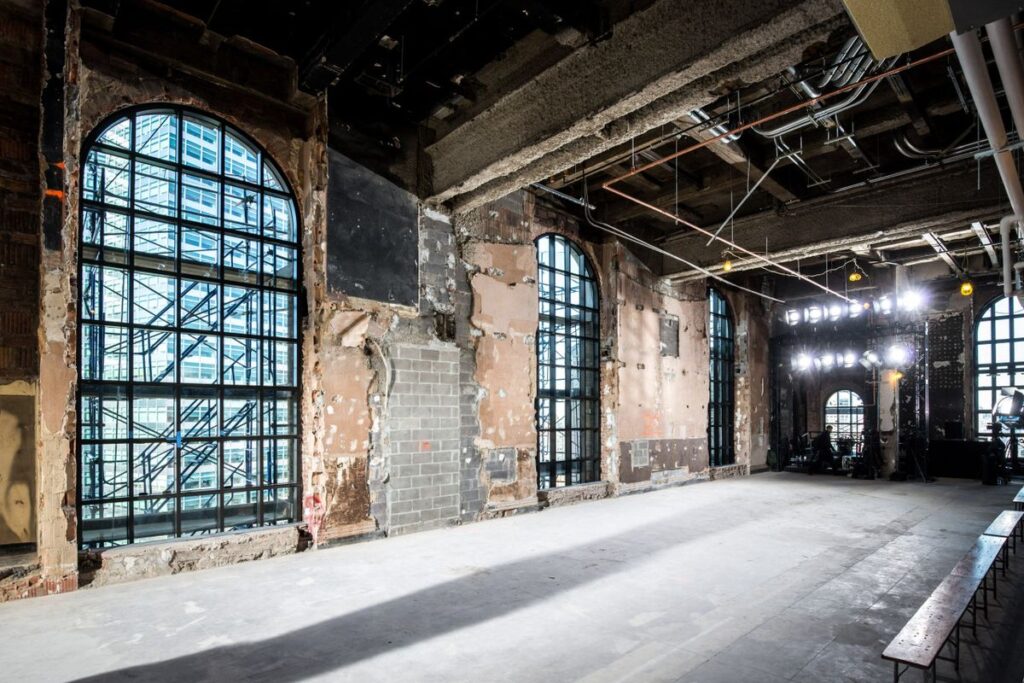
Taken literally, “keep in good repair” can mean more than just maintaining a property. It can mean improving it. Say you lease a tired, run-down unit, and the lease just says “keep in good repair.” You could be required to hand it back in better condition than you received it. That might mean paying to fix problems that were already there before you arrived.
That’s where the schedule of condition earns its keep. By recording the property’s actual state at the start, it limits the tenant’s repairing obligation to no worse than that condition. You’re not on the hook for pre-existing wear and tear. At the end of the term, when the landlord’s surveyor turns up with a dilapidations claim, the schedule is your evidence of what you did and didn’t inherit.
Dilapidations: The Bill at the End
Dilapidations claims (the landlord’s demand that the tenant restore the premises to good repair at lease end) often cost tenants far more than they expect. They can run to tens of thousands of pounds. A schedule of condition won’t remove the obligation to look after the place during the term, but it draws a clear line under what “good repair” means for your particular unit. Without one, that line is a matter of argument, and arguments cost money.
If a dispute over dilapidations does arise, it’s worth knowing landlords and tenants must follow a formal Dilapidations Protocol before any court action.
When It’s Most Worth It
A schedule of condition is especially valuable when:
- The property is older or already showing wear: the gap between its current state and “good repair” is where your risk lives.
- The lease is full repairing and insuring with no cap on the repairing obligation.
- You’re taking a shorter lease: you don’t want to fund the long-term upkeep of someone else’s building for a few years’ occupation.
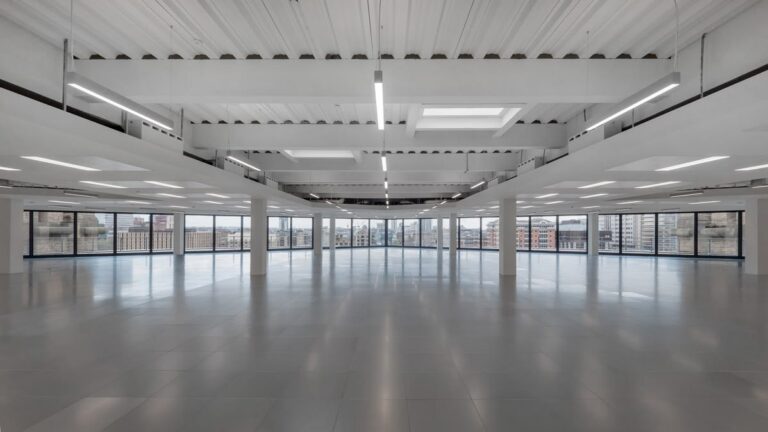
For a brand-new, top-spec unit it matters less. For most real-world premises, the cost of a surveyor preparing one is small against the dilapidations bill it can prevent.
Sort It at the Start
The one thing you can’t do is add a schedule of condition later. The landlord and tenant must agree it and attach it when the lease is granted. Its whole job is to capture the starting point. That makes it another item for the heads of terms: agree there will be a schedule, and agree that it will limit the repairing obligation.
Frequently Asked Questions on Schedule of Condition
A record of the property’s state at the moment the lease begins, usually dated photographs plus a written description prepared by a surveyor. It’s attached to the lease and referred to in the repairing clause.
A bare obligation to keep premises in “good repair” can mean handing them back in better condition. A schedule of condition fixes that. It limits your obligation to no worse than the recorded starting state. That way, you’re not paying for pre-existing wear and tear.
The landlord’s claim at the end of the lease requiring the tenant to make good the state of the premises. Claims can run to tens of thousands of pounds. The schedule of condition gives the tenant evidence of what they inherited.
No — the landlord and tenant must agree it and attach it when the lease is granted, since its job is to capture the starting point. Raise it at the heads of terms stage.
A schedule of condition is worth it when the property is older or showing wear. It’s also worth it when the lease is full repairing and insuring with no cap. Or when you’re taking a shorter lease and don’t want to fund someone else’s upkeep. Aqqord pre-negotiates its leases to be fair to both sides. It sets out the repairing terms clearly, rather than burying them. If a schedule of condition is part of your deal, it’s straightforward to reflect. Set your terms and preview a full draft for free at aqqord.com, with nothing to pay until both parties sign.